According to the United States Environmental Protection Agency (U.S. EPA) fact sheet on Construction Site Runoff Control, “Sediment runoff rates from construction sites are typically ten to twenty times greater than those of agricultural lands, and one thousand to two thousand times greater than those of forest lands. During a short period of time, construction sites can contribute more sediment to streams than can be deposited naturally during several decades. The resulting situation, and the contribution of other pollutants from construction sites, can cause physical, chemical, and biological harm to our nation’s waters.”
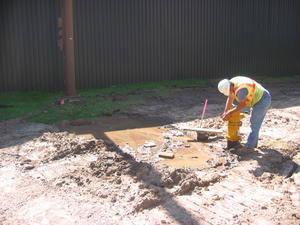
Figure 1: Cause [Contractor flushes newly installed hydrant near an unprotected catch basin]
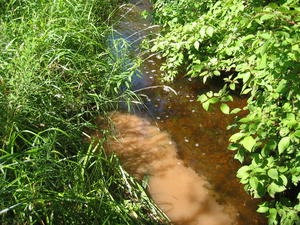
Figure 2: Effect [Sediment plumb in a nearby trout stream]
University of Minnesota (UMN) building standards require temporary and permanent erosion and sediment control measures be incorporated as part of the design process. The construction documents must identify specific controls and locations as well as contractor implementation and inspection responsibilities. Additionally, any storm water discharge from a construction site must be visibly free of sediment. Sediment can be controlled through the use of items such as silt fences, biologs, sediment traps, check dams, and sandbag barriers. Erosion can be prevented by using existing vegetation, mulch, sod, geotextiles, etc. Construction sites should also be protecting storm water from other types of pollution by using covered dumpsters, covering or containing construction materials that can leach chemicals, and containing concrete waste water.
Construction projects within an urbanized area boundary disturbing more than 3,000 sq ft of land area are requited to have a grading permit through the University of Minnesota Building Code Department. These projects have to meet the storm water requirements spelled out in the University of Minnesota Building Standards in order to obtain that permit. Construction projects disturbing more than 1 acre of land are also required to get an Minnesota Pollution Control Agency (MPCA) construction stormwater permit. Additional information for design professionals can be found on the Design and Construction Assistance portion of our website.
Construction Stormwater Runoff Control Best Management Practices (BMPs) and Associated Documents
4A.01 Regulatory Mechanism BMP Summary Sheet (2023)
4B.01 Construction Site Implementation of Erosion and Sediment Control BMP Summary Sheet (2021)
4C.01 Procedure for Site Plan Review BMP Summary Sheet (2021)
- Site Plan Review for Construction Activities that Require a UMN Grading Permit SOP (2020)
- Receipt and Consideration of Noncompliance/Receipt of SW Construction Complaints SOP (2023)
4E.01 Procedures for Site Inspections and Enforcement BMP Summary Sheet (UMTC 4E.01 - 2023)
4F.01 Education Program: Employee Construction Site Run-off Control BMP Summary Sheet (2023)